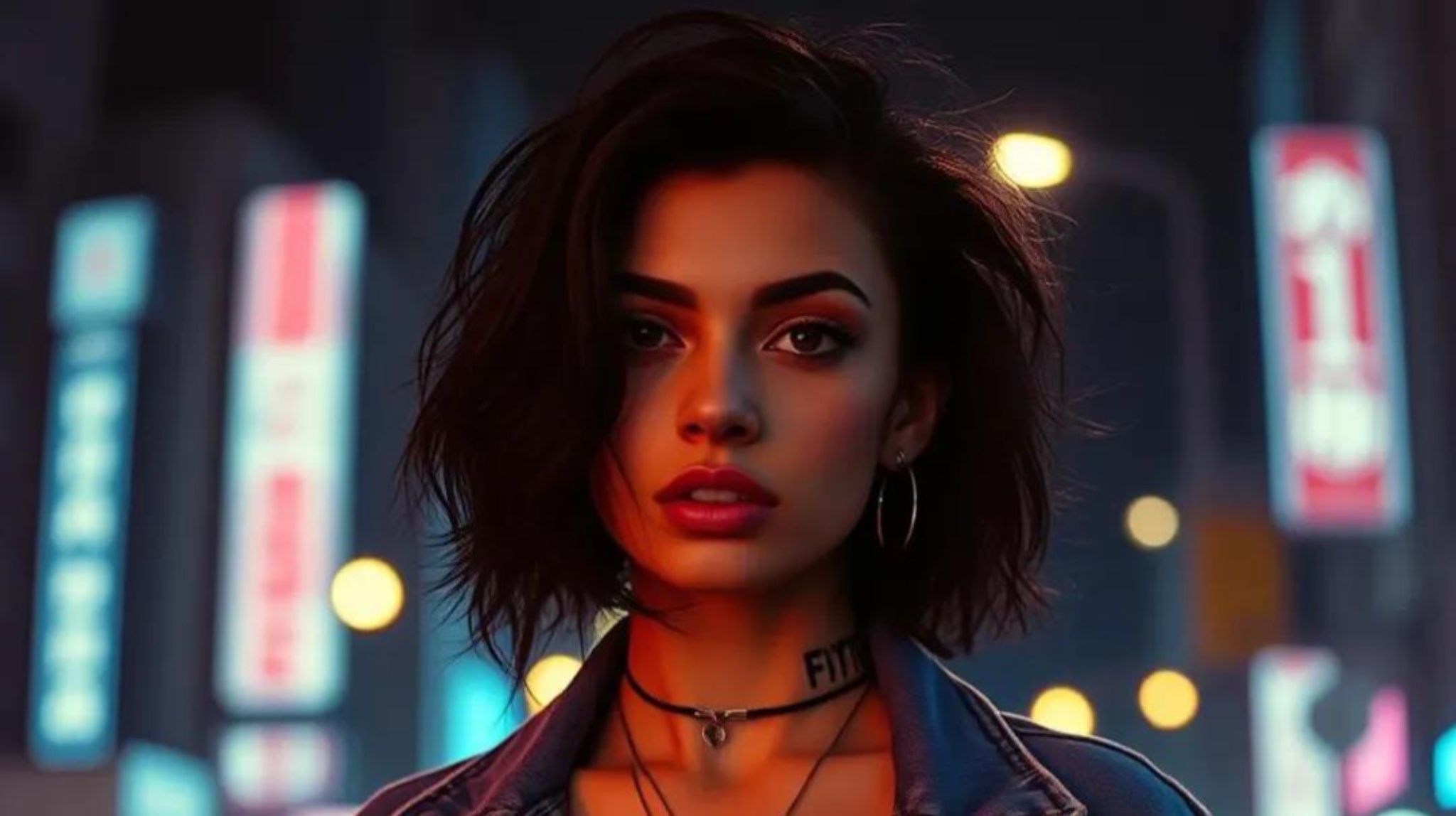
In a music culture driven by image, visibility, and personality, Nasty Guerrero arrives without a body yet with a voice you can feel. The digital artist sits at the intersection of sound, identity, and technology, challenging long held ideas about authenticity, presence, and what it means to be real.

In this conversation with Afrobeats Head, not real becomes a creative advantage and digital identity becomes a new kind of cultural power.
Who is Nasty Guerrero?
Nasty Guerrero is a digital artist with human intention. A project designed to express identity without physical limits.
What does “not real” mean to you?
Not fake. Not artificial. Just not confined to a body, a face, or expectations.
How do you define real today?
Real is intention. Truth in creation, not visibility.
Why choose a digital identity?
Because culture already lives online. I am reflecting on the world as it is.
What cultural truth are you highlighting?
That identity is evolving faster than the industry is comfortable with.
Has music culture become more about image than sound?
It always was. Now it is just impossible to hide.
How does “Not Real” reflect how we consume music today?
People form real emotional connections to things that do not physically exist. That is the paradox.
What is authenticity now?
Alignment between vision and execution.
How did you arrive at this fusion of UK Funky, Afrobeats, Disco, and electronic sound?
By ignoring genre and chasing energy.
Was there a moment in the studio when it all made sense?
When it stopped sounding like genres and started sounding like a voice.
What should people feel when they hear Nasty Guerrero?
Release. Power. Presence.

What gap does Nasty Guerrero fill in music culture?
A bridge between digital identity and real cultural impact.
Does Nasty evolve?
Constantly.
Are there limits to what Nasty Guerrero can be?
Only the limits of imagination.
Is this a solo project or the start of a movement?
The start of a movement.
What part of you exists inside Nasty?
Everything. Just not in physical form.
Do you think more artists will adopt digital identities?
Yes. It is inevitable.

Is this project a critique of the industry or an evolution of it?
Both.
In one sentence, what is “Not Real” telling the world?
Reality is changing. Culture is not.
What does success mean for a digital artist?
When the idea outlives the form.

Leave a Reply