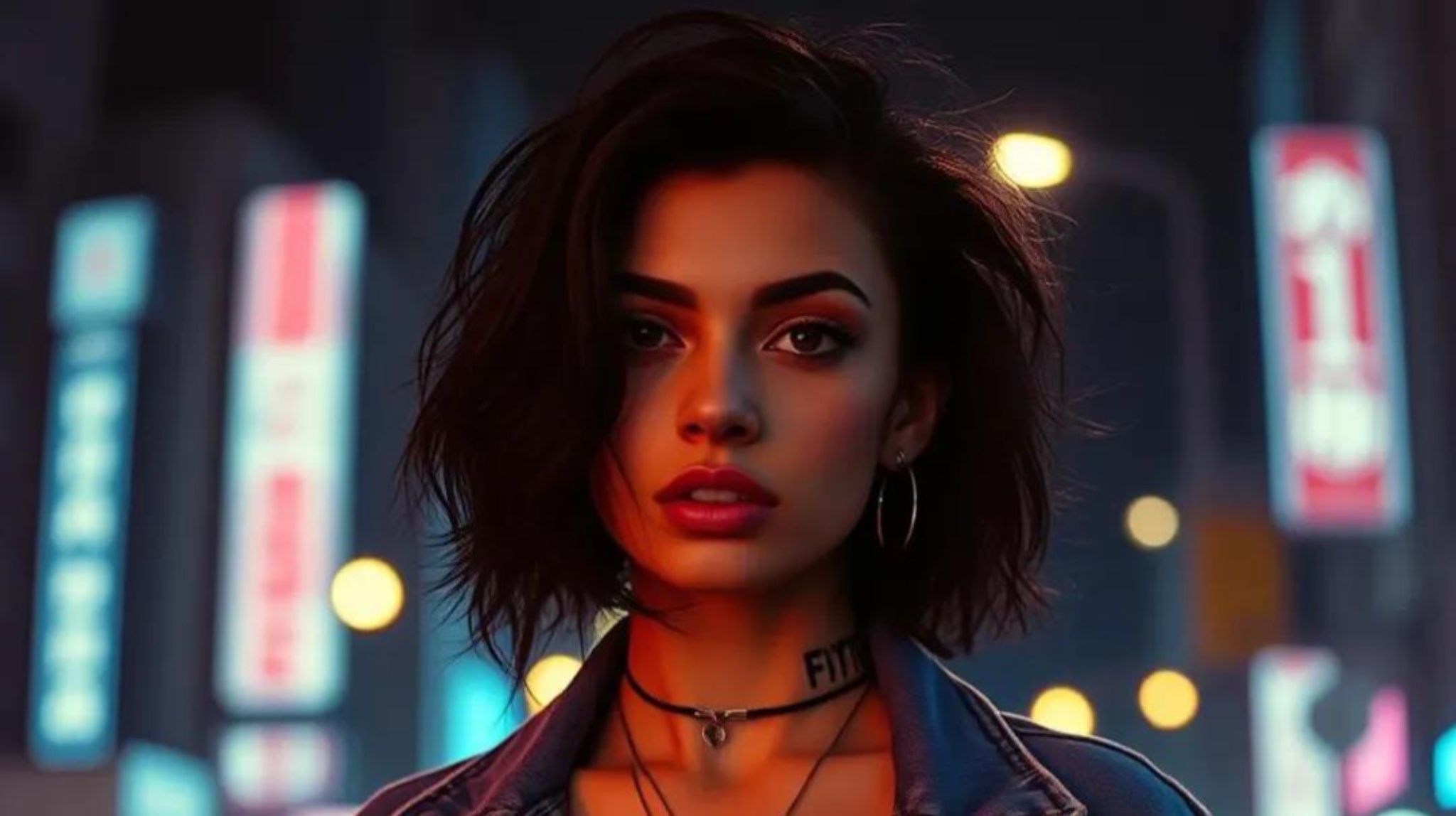
In a music culture driven by image, visibility, and personality, Nasty Guerrero arrives without a body yet with a voice you can feel. The digital artist sits at the intersection of sound, identity, and technology, challenging long held ideas about authenticity, presence, and what it means to be real.
In this conversation with Afrobeats Head, not real becomes a creative advantage and digital identity becomes a new kind of cultural power.
Who is Nasty Guerrero?
Nasty Guerrero is a digital artist with human intention. A project designed to express identity without physical limits.
What does “not real” mean to you?
Not fake. Not artificial. Just not confined to a body, a face, or expectations.
How do you define real today?
Real is intention. Truth in creation, not visibility.
Why choose a digital identity?
Because culture already lives online. I am reflecting on the world as it is.
What cultural truth are you highlighting?
That identity is evolving faster than the industry is comfortable with.
Has music culture become more about image than sound?
It always was. Now it is just impossible to hide.
How does “Not Real” reflect how we consume music today?
People form real emotional connections to things that do not physically exist. That is the paradox.
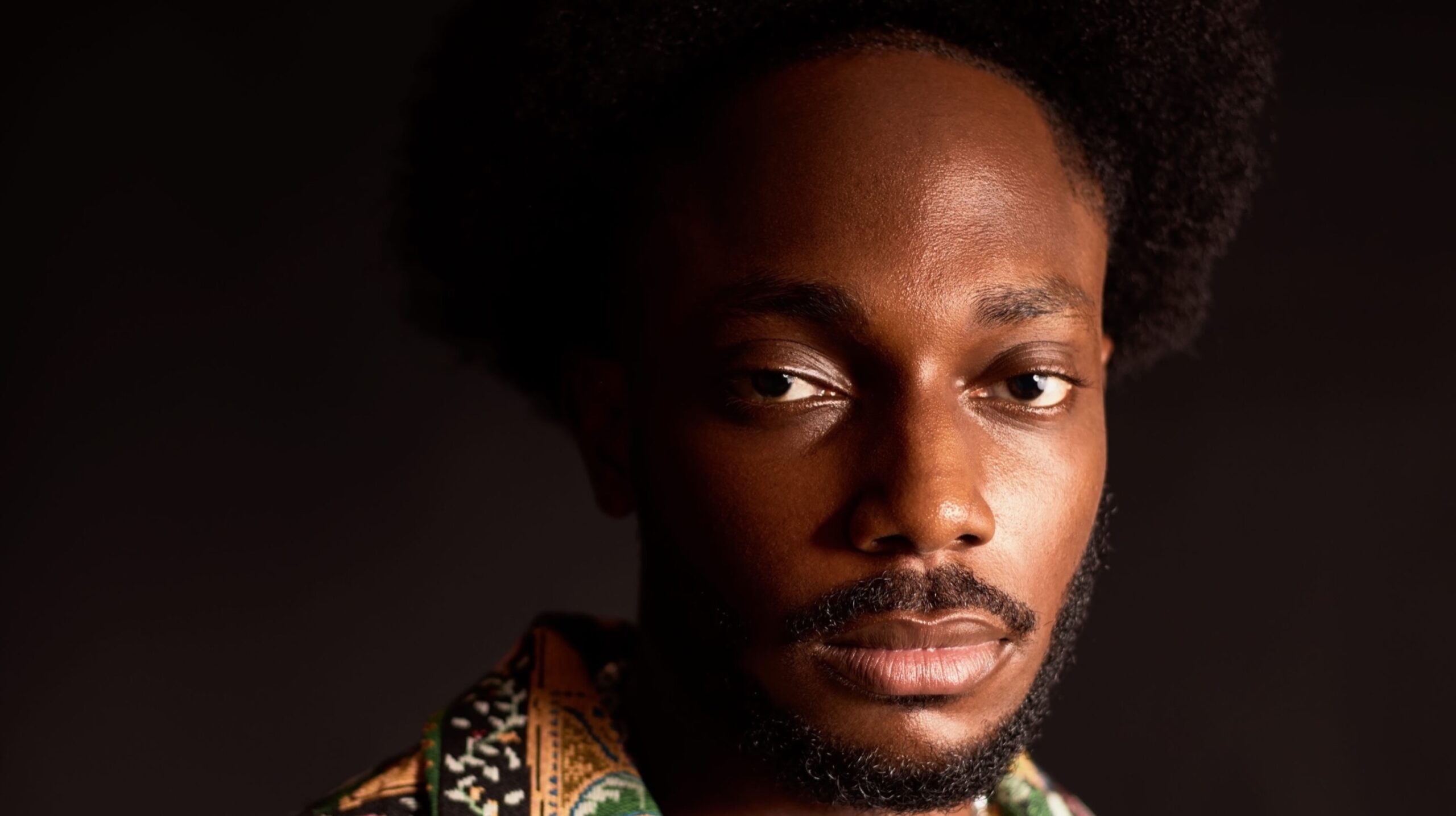
The Lagos-born artist is confident, bold and passionate as he talks about his love for God and his Christian faith; and unapologetic about his criticism of the gospel music industry.
Not that he expects perfection. As he’s quick to admit that it’s not exactly easy or ‘popular’ to be a Christian. Especially in Lagos.
“People like to say ‘nobody holy pass’ But that’s the point. They don’t understand that Christians are imperfect people who found Christ.”
This human imperfection and redemption in Christ is the inspiration behind his new EP For the Lost Ones Who Found Jesus.
“I just wanted to tell my story. Because I didn’t know Jesus before I accepted him
And all the songs on the EP are basically stories of my journey from finding Jesus for myself and my life as a Christian.”
What Church do you attend?
I’m a member of the Redeemed Christian Church of Church. It’s my family church.
When did you give your life to Christ and become born again?
I like that question because people don’t understand me when I say I grew up in church but I only became born again in 2022.
And why did you finally make that decision?
I was in my final year of university and I realized I only have my parents and God. So I remember thinking “what is my purpose in life?”
So I decided to seek God personally, I started reading my Bible and I haven’t looked back since then.
Some gospel artists have recently been criticized for collaborating with secular artists. Would you ever do the same?
Like I’ve always told my team: it’s God over management and God over me so if God tells me to collaborate with anyone, I will. Even though they’re secular artists.
Would it be a secular song though?
So there’s a difference between a secular song and a worldly song.
Artists like Timi Dakolo, Bez, Asa, Omawumi and Waje all sing secular songs, but those are not wordly songs.
I mean, if it’s a secular song but has a good message then I have no problem with it.
But I wouldn’t collaborate on a worldly song.
And this is backed by the scriptures because the Bible says that those who love the world do not love the word.
Do you consider yourself a firebrand gospel artist?
I’m a Christian and I take my relationship with God seriously. I believe the genres are for easy identification. But I see this as God’s calling for me
The music industry does not understand this so they put me in the Afro Gospel category. They feel like once you mix the gospel with worldly beats, it becomes secular.
But for me it’s the message and the lifestyle. For example, some artists have songs about God but their lifestyles are obviously not Christian-like.
How long have you been singing?
Since junior church. At first I didn’t want to do gospel music but then I stumbled on Ephesians 4:11-12 and it spoke to me.
It says the gifts of God fall into three categories and I knew that my gift was supposed to do those three things.
Even though I was dissatisfied with gospel music I forged ahead because I know I don’t have to follow my predecessors because Jesus himself was a pattern breaker.
Who are your gospel music influences? Did you even have any? Since you were so dissatisfied with the industry?
Even though I’m unhappy with the state of the industry I still listen to gospel music because I can’t deny that there is the fire of God in them.
But I don’t exactly have any influences. I used to feel hesitant to say that but I’m getting bolder.
There’s, however, people I’d like to work with. Like Andendlessocean and DC3.
Can I ask what exactly is your problem with the gospel music industry?
It’s not exactly a problem but I don’t like the fact that people just pick a scripture and sing it.
My issue is not with the inspiration but the creativity because why are you repeating a verse 10 times?
Why can’t we have gospel music storytellers? Why must it always be soft rock or indigenous sounds?
I mean, nobody does Trap or Amapiano. It’s just not creative.
Aren’t you worried about how your comments would be perceived by your peers in the industry?
I don’t think I’ve said anything wrong
What can your fans expect from you as the year come to an end
I’m working on something for next year. We’re keeping it under wraps for now, but I’m excited about it and I cannot wait to share it.
Saelem’s new album For The Lost Ones Who Found Jesus is out now on all platforms
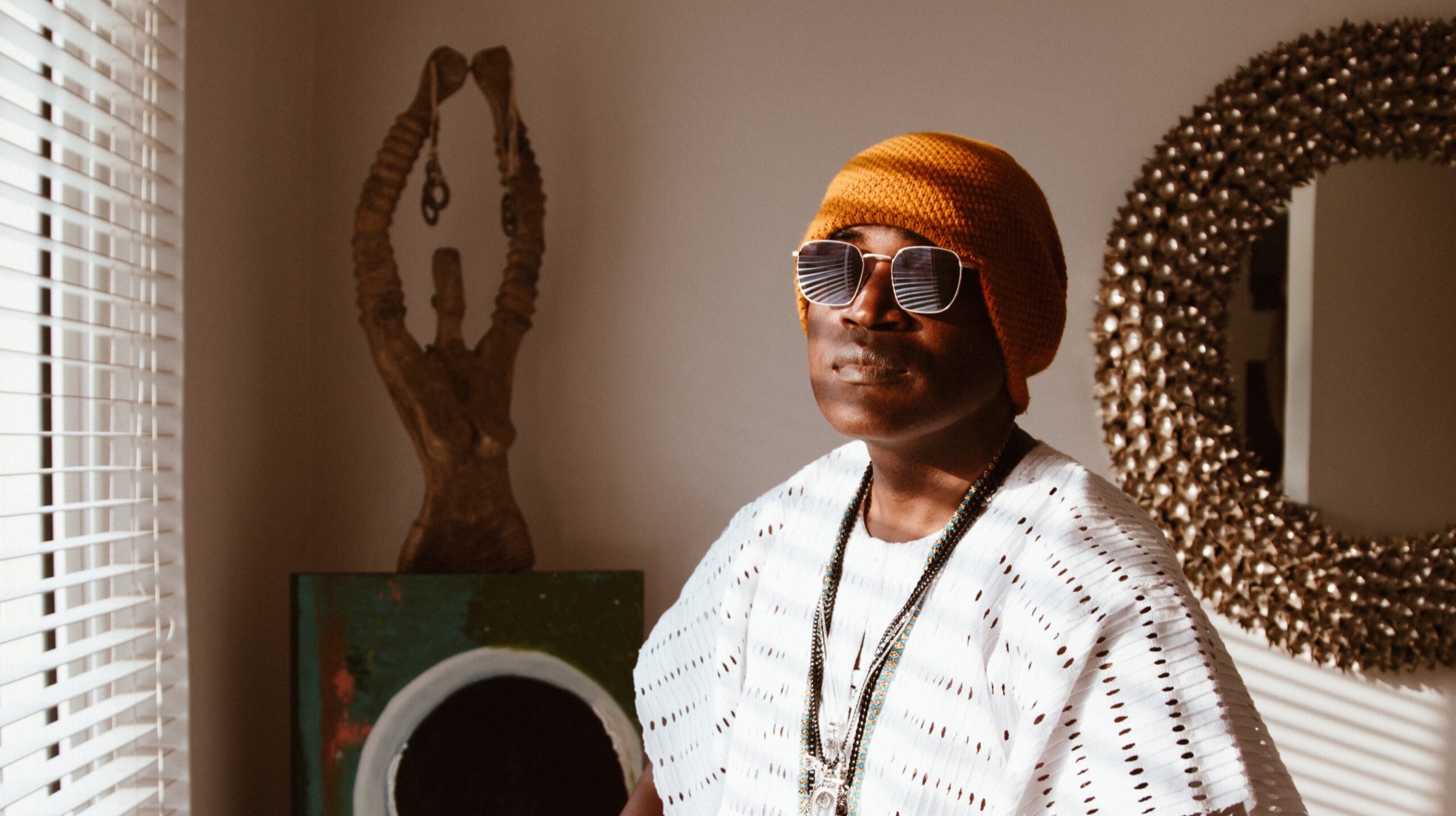
The first thing I noticed about Headies award-winning artist Ibejii was his voice: calm, regal, assured. Like a 60s BBC news presenter.
I’m on a call with him to discuss his new album Lagos Shuffle. Days later, replaying the record, it struck me that his cadence carries an uncanny echo of the Golden Voice of Africa, Nigeria’s first Prime Minister, Sir Abubakar Tafawa Balewa.
For the first time ever, Ibejii opened up to me about growing up as a twin in a Yoruba family. Twins are highly revered in Yoruba culture, so from childhood, he was aware of himself as something more than ordinary. He also spoke about a childhood disability that unlocked the lifelong storytelling instinct that shapes who he is today.
He told me he had never shared any of this publicly, so I felt genuinely honoured.
I spoke to him a day after he’d been out celebrating a friend’s new joint.
“It was a typical fun Lagos night out- suya, drinks, smoke.”
Lagos Shuffle is his ode to the city – a love affair with Lagos neighbourhoods – from Ijaiye amPen Cinema to Adekunle and Makoko.
Lagos Shuffle is modern and familiar, yet it feels like music they would have happily swayed to while drinking palm wine in a dimly lit bar in the 70s.
I live in Lagos and I adore this city, so I was excited to speak with a man who shares my love of this city. Yet, I was somewhat anxious that he wouldn’t open up about anything beyond the album. I had read past interviews while preparing, and found almost nothing about his private life -especially his life as a twin. That silence, he confirmed, is intentional.
“Your real name is Ibejii… What was it like growing up as a twin?”
“To be honest, thats a subject I am typically reluctant to address. I’m not sure in fact that I’ve ever answered any question on the subject before. But I’ll tell you. I grew up as one of a twin. My twin brother died within 59 seconds of our birth.
Growing up in a typical Yoruba family under those circumstances… all you hear are fears. People being careful around so you don’t die too.
So while other kids played football and did the things that young kids do, everything about me was over watched and guarded.”
“For someone raised outside Nigeria, you seem deeply tied to Yoruba culture…”
“Haven’t you heard, my parents are Yoruba! If you’re born to Yoruba parents, you may as well be born in Ajegunle or Ijebu-Ode. They don’t let go of their culture wherever they go. It is front and centre. They speak the language nonstop, eat the food always, wear the culture proudly, mix mostly with their own people, etc.
From the moment you’re born, they greet you in Yoruba, insist on the rituals, and embed you in the culture.
So yes, ties to and familiarity with Yoruba culture is what we do.”
“Let’s talk Lagos Shuffle. Are you familiar with places like Ijaiye and Agege?”
“Oh yes. I know Lagos end-to-end. I’m passionate about the city and have toured it end to end.
As you know, Lagosians are a hugely social people. From Owambes, to church invites, to friendly visits, tou find yourself reaching far and wide.”
“So when did you first come to Lagos?”
He smiles.
“Ibejii didn’t come to Lagos. How could he have. By the nature and circumstances of my birth, I was always here. Ibejii never arrives. He’s always present.”
“Tell me about the spiritual weight of being a twin.”
“Weight is a loaded word. Yet, something as revered in one’s culture of origin as being an ibeji follows you through life -whether you’re conscious of it or not.
For much of my years, I have been ‘othered’ even within my own family. The child who’s different. Something ike being Tokunbo, Abiodun, or Iyabo.”
I tell him I know Tokunbo. Not Abiodun or Iyabo.
“Abiodun means someone born in a festive season. Iyabo essentially means a mother or grandmother returned. For some, it can be heavy to be treated as the embodiment of someone no longer here.
“For an Ibejii, you’re valued not for who you are, but for the circumstance of your birth.
“And then you’re treated like a pseudo-spiritual being. Challenging for any child.
And remember, neither my twin nor I were expected to 20 minutes post birth. So the attention was intense and sometimes insensitive. Even being born in England didn’t change any of that.”
“So what sparked Lagos Shuffle?”
“Lagos birthed the musical character Ibejii. Lagos is where I live and socialise. Lagos is where Ibejii, the artiste, was formed.
Lagos is bursting with communities – all similar, all different – all confident and unapologetic – Makoko, Isale-Eko, Mushin, Agege, GRA, Ikoyi – and so on.
Covid temporarily changed that. It left our city, Lagos, unsure, uncertain, divided. Between the ravages of the disease, the isolation it forced, and the hunger that pervaded Lagos homes, Lagos temporarily lost its grit and rhythm.
I wanted to speak to the city. Start a new conversation. Celebrate its many essencees. Seek ways to help us survive together.
Highlife has always been Lagos’ recovery music. After the civil war, highlife helped Lagos find its groove again.
Lagos Shuffle is about that grit, grind, rhythm, colour, confidence, swagger. I wanted a sound that will lead the city into a new era of success and confidence”
“What makes Lagos Shuffle special?”
“It’s from Ibejii. That’s what makes it special.”
On Afrobeats and being called ‘alté’
“We are a diverse, complex, multi layered people – blessed with texture, form, sound. We owe the world to share our complexity. It is after all what makes Lagos so fascinating. .
Afrobeats is massive – huge – the leading sound from these parts. There is however more to our sound. Much more.
So, while they refer to us as alté ar alternative, we’re not newcomer sounds. We’ve always been here.
Ibejii’s sound comes from the source – storytelling -telling Africans stories like scores have since the beginning of time.
My pride in the success of Afrobeats in full and unchanging. But please spread the word. We are more that. We are juju, fuji, afro fusion, etc etc.”
“What do you hope people take away from your music?”
Music, for me, is a vessel. It carries essence, values, memory, joy, pain – all the things we often don’t have the words for. But a story is only complete when the listener finds themselves within it. So I make music hoping people will see themselves in it: their struggles, their humour, their hopes.
Take Intermission, for example. It was born from the tension and heartbreak of 20 October. I wanted to give young people, and really, everyone, a voice – in a moment of collective brokenness and frustration.
When the world embraced that project, and handed me a Headies gong for Best Alternative Album, I was reminded how critical the musician’s role in storytelling, in capsuling a moment in time, in channeling the joys or frustrations of a people.
With Lagos Shuffle, I want people to feel the pulse of the city. Not postcard Lagos, but the real one: the hips, the swagger, the noise, the grit, the colours, the sudden quiet at 2am and the chaos that returns by 4.
If listeners come away sensing Lagos’ heartbeat, its confidence, its contradictions, its beauty, I would have done my job.
“Your favourite places to hang out in Lagos?”
He laughs and passes the question to Gideon.
“If you see him outside, 90% of the time he was dragged.”
Ibejii agrees.
“My favourite hangouts are the spaces of my favourite people. I’m a homebody.
Otherwise, I love water – beaches.
And I especially love the company of fresh and unusual minds — the eccentric, the mis-characterized, the forgotten.”
On storytelling
“I started writing at four or five. I had a walking delay, so I walked much later than most kids. Yet, this meant that I saw and witnessed much more from down there.
My mind never sleeps. Like Christmas lights, it is a constant spark. Imagining is my thing – enabled by what I see.”
“I will be re-launching my Christmas song Feels Like Christmas. Gorgeous visuals. Nigerian kids dancing ballet.
“Christmas for me is church, Jollof, Coca-Cola, family – and now, Detty December – our very own Christmas festival.
“Final message for your fans?”
“Dosunmu, hold on to your oracle. Your culture, your truth.
With the world shutting their does on us – The US, Europe, South Africa, there can be no better time to rethink and rediscover home.
Lagos is home to people everywhere. Lets build Lagos together.
I finally ask what’s next after Lagos Shuffle.
“It’s the start of a series of psychedelic dance projects — full of energy, movement and… kala.”
I misheard “colour” as “kala” thanks to ODUMODUBLVCK and my Nigerian accent and wondered what kala had to do with his sound. He laughed and admitted the mishearing wasn’t far off; after all, kala can mean attitude.
So we agreed: “Kala” stays.
Ibejii’s new album Lagos Shuffle is out now on your favourite streaming service.
Follow Ibejii on Instagram, Facebook and X @Ibejiimusic.
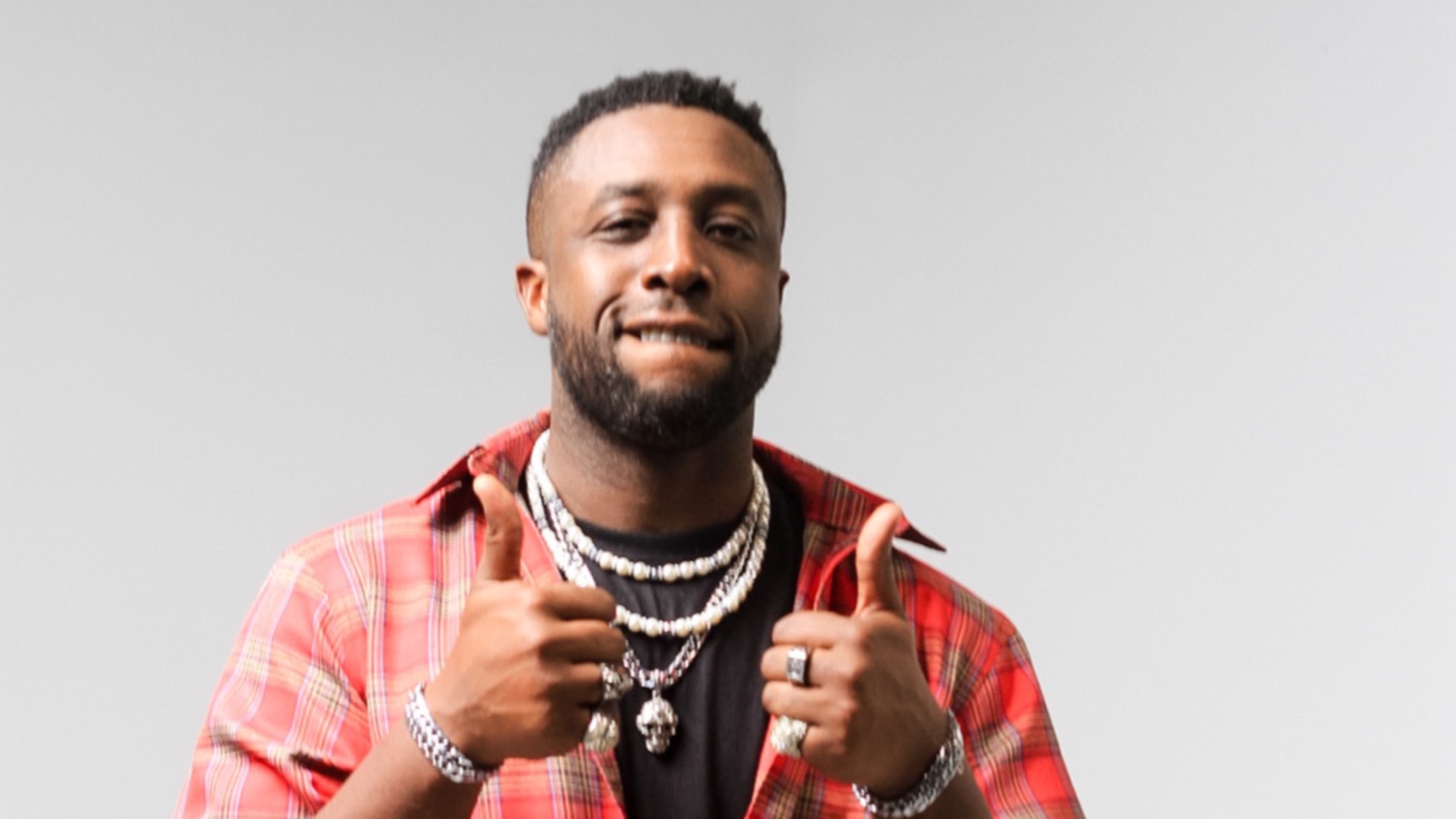
For our latest cover story, I spoke to Michael O., the Nigerian-American artist, actor and tech founder who’s been steadily building a name for himself as one of the most successful Afrobeats stars in the US.
Born Michael Odokara-okigbo, the 34-year-old has performed at the Carnegie Hall, the Lincoln Centre and for the Obamas at the White House.
Here he tells me why he thinks Afrobeats will continue to dominate global music conversations and opens up about connection with his Nigerian roots.
Hi Michael, how’re you? I’m well, how you doing?
I’m fine, thank you. Happy New Year.What’ve you been up to lately? I’ve mainly just been grinding.
You know, just hustling with music and tech for like the past five weeks.
We did a lot of music video shoots and recording in the first quarter of 2023.
So right now we’re just grinding on both fronts before releasing the new material.
I think it’s interesting that you’re such a talented artiste and also involved in the tech industry. What’s that like?
It’s busy. Yeah, I can just imagine. Yeah, but the hustle doesn’t stop. I mean, it’s really cool
to work with the people we work with. It feels more like a family, it doesn’t feel like work. Sometimes it feels like it, especially when it gets to the nitty gritty of tech but I still feel so blessed
Cool. Does your tech background ever influence your music? How does it help you as an artiste?
You know, it’s kinda really the other way around. I find that music is in someway related to tech.
I find that I’m able to use different sides of my brain in different capacities.
So with music it’s more of soulful feelings and emotions and not so analytical. But the tech part is very analytical because I’m in a leadership position, I have to manage teams so I’ve learnt a lot from being a musician, and putting in the work as an artiste and that has transitioned really well into the tech.
So my first introduction to you, not sure you remember but it was on Groover with your song “Japa” I love it by the way.
Thank you. We’re about to release the remix.
Really? With who? Egar Boy, is an amazing artiste and I’m excited about the collaboration
Cool, so like I said, that was the first time I’d heard of you and I was like “this a really nice song” But then I realized that it was co-produced by Harvey Mason, CEO of the Recording Academy. That’s huge.
Thanks
You’re welcome. So how did that happen? And what does it feel like to have such a big name on one of your songs?
It was actually per chance. You know, at the Grammys, either last year or the year before.
He heard my music and he liked it and really wanted to be a part of the project. And now he’s like an incredible advisor. I mean, he’s the man. He’s so dope.
So the song is so relatable because “Japa” is all the rage in Nigeria at the moment. So what does the song mean to you and what inspired you to tap into that whole culture of finding greater things and seeking greener pastures
Yeah, it means a lot different things to me. I wrote that song at a really interesting time in my life.
But you know, we all look for something better because we all want to provide a good life for ourselves and our families.
So like I said, there’s a lot diffrent meanings for me with that song but what I love is how people have interpreted it and what it means for them.
That’s kinda what we do as artistes, we write songs and give it to the world for them to interpret so whatever it means to you is what it means to me
Cool. So you were born in the US but you still manage to stay connected to your Nigerian roots and infuse that part of your identity into your music.
You know, it’s partly family ‘cuz even though I was born in the States, I’ve also been connected to Naija.
My family has really helped me stay grounded and connected to my roots. Also, it’s really cool where the world is going towards.
You know, there’s more understanding towards the power of Africa and in particular, Nigeria.
You know, there’s over 200 million of us, so it’s impossible to ignore us. And we’re doing so well.
For example, a lot of Nigeria expats in the States are the highest paid in the country so we’ve always been so competitive and the world is beginning to take notice.
You see a lot of people coming back here. For Detty December, for example and it’s only gonna get better and I’m excited to be a part of it.
Yeah, I’m glad that you mentioned all our achievements. The Grammys for example, which took place last week but didn’t exactly go the way we’d expected but we still think it was huge for us as a country. So many nominations. I think that was the highest ever for us.
What do you think of what happened last week at the Grammys
I mean, those things are subjective so you can’t really put a value to it. For me, the most important thing is that the world already know the value of Afrobeats and where it’s going.
It’s cool to get recognized but you win or lose, it doesn’t change our influence and how huge Afrobeats has become.
You see how big the movement has become and how everyone is listening to Afrobeats.
In the States, everybody is listening to Afrobeats, that’s the wave.
So I think the validation is unnecessary but it’s cool to see that it’s starting to come from entities like the Recording Academy/
So what do you think about the Nigerian music industry generally? Where we are right now?
I mean it’s growing and keeps going. There so many artists are just in their own vibe, who have created their own genre, and doing big things and that’s what inspires me.
It’s not just about singing about love which is great and awesome.
But a lot people are also singing about their personal pain.
The music is getting more cerebral and emotional and Afrobeats is going to continue to grow and create its own genres.
We’ll also see more people in the West continue to draw inspiration from us and vice versa
Speaking of genres, what’s yours? Do you define yours or are you like “I’d rather not box my music”
That’s a good question cuz you know, my base genre is Afrobeats but I’ve been inspired by so many kinds of music like Daddy Showkey, Otis Redding, Al Green, The Tempatations, African traditional music, Nigerian Igbo songs and Christian music. RnB, Hip Hop (Kanye’s one of my favourite artist.
So my music is a fusion of Afrobeats and RnB but hopefully, you can also see that I’m really inspired by lots of different stuff and you can hear that in my music.
So I love that you mentioned Igbo music . You’re Igbo right? Do you speak the language?
Actually, I’ve been learning from Nkenne. It’s actually one of the reasons why I created the app.
I wasn’t able to learn Igbo at home but I started the Nkenne app to teach African languages so I’ve been learning from it and we now have over 85,000 users doing the same
That’s amazing. So how does it work? Do I sign up and get Igbo lessons? Are there languages on there.
Yeah, we have nine other African languages and we’re adding our 10th in the coming weeks.
Great. So do you like Igbo food? I mean, I’m Igbo too and that’s why I’m so interested in the topic.
Where are you from? I’m from Imo State. Where are you from? I’m Anambra Cool. Where in Anambra?
Idemilli I don’t know the place but that’s amazing. So what’s your favourite Igbo food or Nigerian food?
I mean I like so many things but the first thing I get when I’m back home is either rice and stew or Egusi soup.
Then I go the fridge and eat meat pies. I eat lots of meat pies.
Any time I’m home, all I do is eat.
Great. That’s very important cuz we have lots of good food. And speaking of coming back home, do you ever plan to move here permanently?
Yeah. We just got a place in Naija, in Lagos so you know, I don’t have a family yet but my goal is to spend seven to eight months of the year in Nigeria and four months in the States.
Great. So back to the music. What is your recording process like?
It depends and that’s a good quetion. For example, “Japa” took just two hours to write and record so that didn’t take very long.
But there are some songs that take two to three years to record.
So it depends on the process and what you’re going through. Sometimes it takes me a couple of years to write a song or a couple years.
Cuz a lot of times when I’m writing I like to hear different syllables, vibe on them and whatever feels right. I like to write lyrics too.
But then there’s times when lyrics come to you in a dream so you just have to find inspiration.
When it comes, it comes. You can’t really chase it. It’s like a relationship with a woman.
You can’t really chase… Well, you can chase a woman but the inspiration has to come and it has to be authentic.
You’re absolutely right. So speaking of relationships. Are you in one right now?
I am not but I’ve been looking.
That’s also kinda been my hustle. Not hustle but you know, it’s been a fun couple of months. I was in one last year but yeah, I have been looking.
Interesting. So, how do you relate with your female fans
I mean I like writing love songs…
Yeah, I noticed. That’s why I’m asking.
Yeah, and I love love so I think my female listeners can connect to that.
And I write from an honest place too and the songs I write are honest and they come from my life.
For example, there’s a track on this EP called “Attention” and it’s about my former former relationship. About two relationships ago.
Where I felt like I gave her so much attention and she wasn’t happy and it’s something that a lot guys go through but we just don’t talk about it.
And I feel like they can connect to my music because this is real life. Just like “Japa” is real life. People go through that.
So back to your music, when did it all start for you? I’ve always been surrounded by music, ever since I was young.
You know, my mum never put me in sports and I always ask like “mum, why didn’t you put me in sports? I feel like I could have done football or something.
And she was like, “I don’t know sport but I know music and I know the arts…
Can I just say, you’re really lucky? Cuz most Nigerian parents wouldn’t do that. You’re so lucky to have had that.
Yeah, but sometimes I see how much these football players be making and I’m like, damn.
No, but my mum always put me in choirs. She surrounded me with music but I didn’t know I wanted to pursue music professionally until I did an acapella TV show called the Sing-Off which I did with my college acapella group and it made me see that I loved music so much and that was the genesis of it all.
And it’s interesting because I found my passion for technology in music.
Music has given me so much, it’s been such a good teacher so I don’t ever see myself not doing music cuz it’s been a way for me to elevate personally.
So let’s talk about your new EP. What’s it called? It’s called Birds of Paradise Interesting, where did the title come from? So my spirit animal is an eagle so it’s the bird of Naija and it’s also the bird of the States. Eagles are very territorial.
They fly really high and they are aggressive. I really respect and connect to that animal.
And also, my favourite plant is called the birds of paradise.
I forget what the official name is but that’s what it’s called.
I feel like my music is a mixture of different sounds and vibes that make you feel good and we also have a track on the EP called “Paradise” so it all just connects
I mean, I get your point about the eagle, especially as an Igbo girl myself. Because it’s like the most important bird in Igbo culture. It just represents strength, majesty and glory. My surname is Ugo-Nwachukwu and Ugo is also the Igbo word for “eagle” so I feel like I’m going love this EP.
You will. And this is my best work.
Cool. When does it come out? Second quarter of 2024.
We’ll be releasing some singles from it soon. First one will be the Japa remix, then a couple more.
We’ve shot some videos for the singles as well, So it’s coming and I’m excited.
So we’re going to play a game called “Top Three” so I’ll basically be asking about your top three favourite stuff.
So first, is your top three Nigerian artistes that you’d like to collaborate with?
Olamide, Rema and Wande Coal and Flavour too
Those are interesting choices. Top three venues you’d like to perform? The 02, anybody’s backyard…
Wait, I was about to ask if that’s like a venue in the US? But what’s the third one?
I was going to say “in the shower” but let’s say, Wembley.
Top three favourite songs of all time?
That’s an impossible question, I can come up with something quick now and then… It’s tough, really tough.
Okay, just three songs that you really like?
That’s still really tough. I mean I don’t know the kind of answers you’ve been getting from musicians but that’s a tough question.
But I like Stevie Wonder’s music, he’s one of my favourite artists of all time
So, in one sentence, what would you like to achieve with your music
Yeah, so right now, how I’ve been using my music is working out with it and running with it, especially this new project that’s coming out.
You know, just get on a good vibe cuz it helps me work out and clears my mind/ So I want it to do the same for everyone who listens to it.
So if that means, the songs help them work out, step up to someone they’re afraid to talk to or stand up to someone that annoys them or tries to bring them down. So we’re going to play a game called “Top Three” so I’ll basically be asking about your top three favourite stuff.
So finally, what’s your prediction for the AFCON final match between Nigeria and Côte d’voire?
I mean, there’s no question about it: victory for Naija.
But what’s funny is we have Ghanaians on our team and they’re not supporting Nigeria. And I’m like why? I supported Ghana last year. We have a lot haters…
Yes, people don’t like us much and I can see why. We can be annoying sometimes
Yes, that’s cuz we dominate. But yeah, of course I’ll be rooting for Nigeria. I predict 2-0 in our favour.
Alright. Good luck to Nigeria . And thank you so much for talking to me, Michael. This was amazing. Good luck with the new EP, I can’t wait to listen to it and I can’t wait to see you dominate.
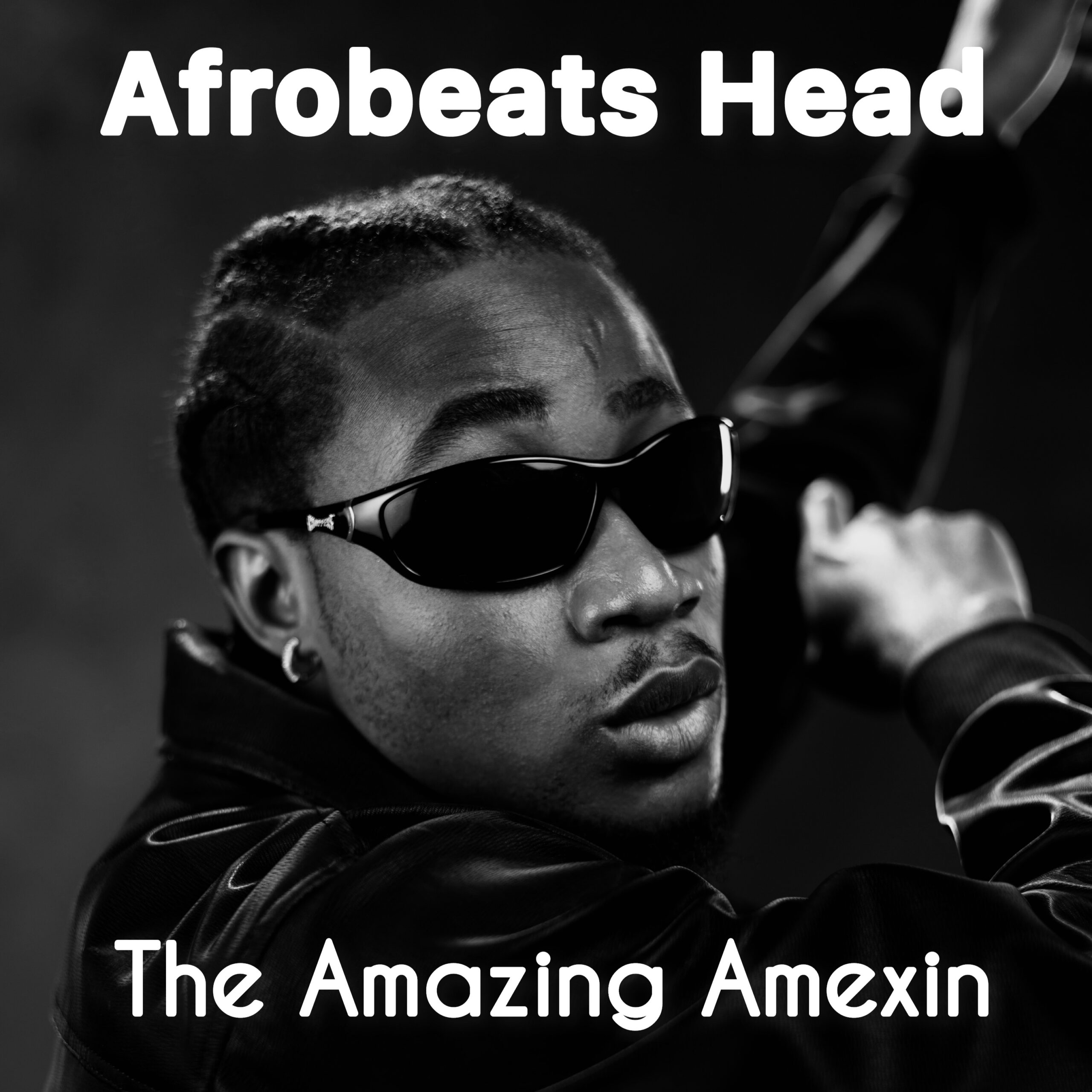
For our first cover story, Amexin opens up about his relationship with DJ Tunez, future collaboration with Wizkid and his love for his hometown, Aba.
Shortly after our meeting over Zoom for this interview, the rising star thrilled fans at his first headline show “The Amexin Special” held in Lagos.
Hi Amexin, how you doing?
I’m fine, thank you how’re you?
I dey, what are you up to?
Well, It’s weekend so my plate of hot eba is waiting for me. Today I’m having it with one of my favourite soups, okro. My friends like it too.
Nice. Eba and okro soup is definitely goated. Where are you from, though.
I’m from Aba in Abia State and I owe a lot to my hometown. Growing up there had such a positive impact on my music. Only best the best songs make it to the city and that helps you as an artist.
Cool. What inspired your stage name?
I just want to put a face to the word “amazing” basically be the image that pops up in people’s minds when they hear the word. I want to be amazing.
You and DJ Tunez seem to have such a great relationship. How did you two meet?
The love of music brought us together. He fell in love with my music after hearing some of my unreleased songs from someone else in the industry. He reached out to me and we connected.
What’s like working with him?
It’s been an amazing experience. DJ Tunez os very supportive. He’s someone who always wants to take care of you. He’ll call me up and be like “How’re you?” “Call me if you need anything”
It’s been great.
What’s next for you two?
I’m dropping a new single and I have a show coming up in December, The Amazing Special. It’s my first headline show so I’m excited.
Okay, I have to ask: since you’re so close to DJ Tunez, have you met Wizkid?
Yes.
Really? What was it like?
Superstar Wiz. At first I was nervous but I quickly realized that he’s such a cool, relaxed person.
Omg! Any collaborations coming?
Definitely. Watch out.
Great. So what other things do you like apart from eba and what do you do to relax?
Music. Music. Music.
In fact, I wish I could have music as food. If I could I would hire someone just to make playlists depending on the mood, the weather and the time of the day.
But since I can’t replace music with food, I also like to eat noodles.
Me too. Do you add crayfish to your noodles? Because there’s been a fierce debate about it on Twitter.
I do
Great!
I grind it but I also like to have tiny pieces that I can chew while eating.
Oh my God! Yes!
I also add a lot of fresh peppers
Yes! You’re so amazing. I like you.
Thank you
You’re welcome. So how long have you been in Lagos.
A little over a year now.
What do you think of the city?
Very expensive. Unlike Aba, but it’s a wonderful place.
You’re right. So what are your dream collaborations, apart from Wizkid?
It’s hard to choose because there are a lot of artists that I admire. But I just want to work with people who love my music and people that I also connect with.
Chris Brown, for example. I love him
What impact would you like to have on the Nigerian music industry?
I just want to connect to the fans, the ones who love and support my music. Like you Chioma, I know you love my music.
I do
Great! That makes me happy.
Final word to your fans
I love you all. I promise to keep dropping hot gbedu and bangers. Just for you. I appreciate your support. Believe in yourself and have faith in God
Top three venues you’d like to performat
I’ve never really thought about it but Rolling Loud, Something in the Water and the O2 Arena
Thank you so much for talking to me and Goodluck with everything.
Thank you for having me and have a nice weekend.
You too.
Check out Amexin’s new project, “The Amexin EP” here