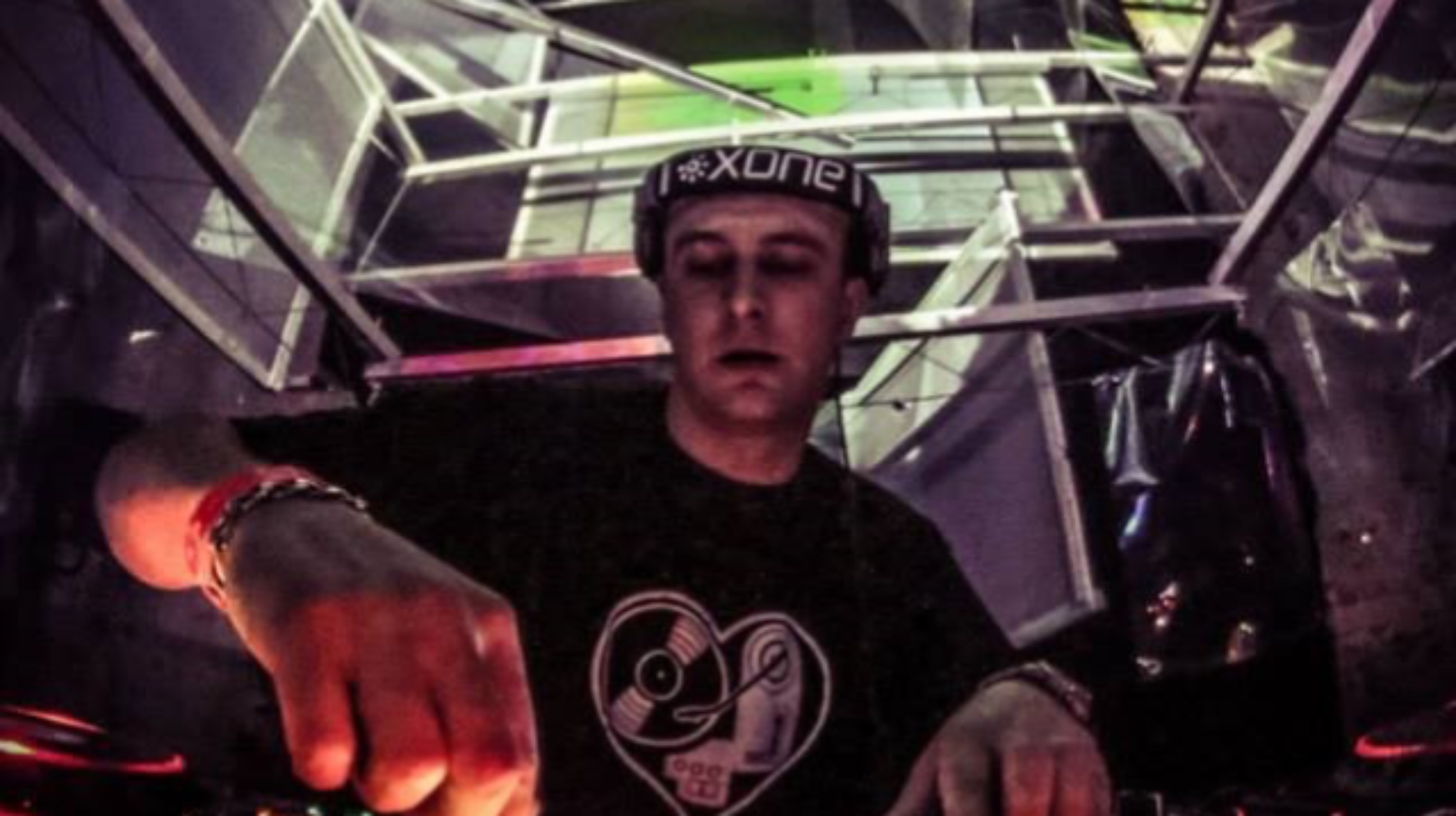
Canadian music collective is celebrating the party scene in Lagos, Nigeria with the release of “Detty December.”
Fusing the unmistakable pulse of Nigerian street culture with cinematic storytelling, the track captures the unstoppable energy of Lagos during its most iconic season — when the city transforms into the global heartbeat of nightlife, concerts, fashion, and pure celebration.
“Detty December” is a vibrant, high-energy Afrobeats anthem crafted for clubs, beach raves, December weddings, and Lagos nightlife hotspots from Ikoyi to Lekki Phase 1.
The track paints a vivid picture of Lagos in full festive bloom: champagne popping, IJGBs landing en masse, friends buying up the entire bar, streets glowing with concerts like Flytime Fest and Rhythm Unplugged, and the famous motto of the season — “Ball in December… let January take care of itself.”
With its catchy hook, cinematic production, and cultural authenticity, “Detty December” is positioned to become a staple soundtrack of the holiday season — a celebratory anthem that unites Nigerians across the world under one shared experience.
“Detty December” is now available on all major streaming platforms.
The Kabusa Oriental Choir, the musical group which shot to fame in 2020 with their viral song “Valentine is Coming” is celebrating Nigeria’s exciting Christmas season with their new single “Detty December”
One that has seen her through the many challenges she’s faced in her eventful life.
Eylsia started playing a tennis as a child, becoming the youngest winner of the Irish Open, but was banned at Wimbledon at 17 due to her Belfast family ties during the year of the IRA London bombing.
“No matter what setbacks I had, I always loved Christmas. I overinflated in Hollywood dazed by the stars and business life, only to find myself in a hospital and rehab center. But there was still Christmas. “
Born Lisa Pamintuan, Eylsia Nicolas now lives in Hollywood where she runs her luxury brand, Nicholas of Palm Beach.
”Hot Hot Christmas in Africa” by Eylsia Nicolas is out now on all platforms
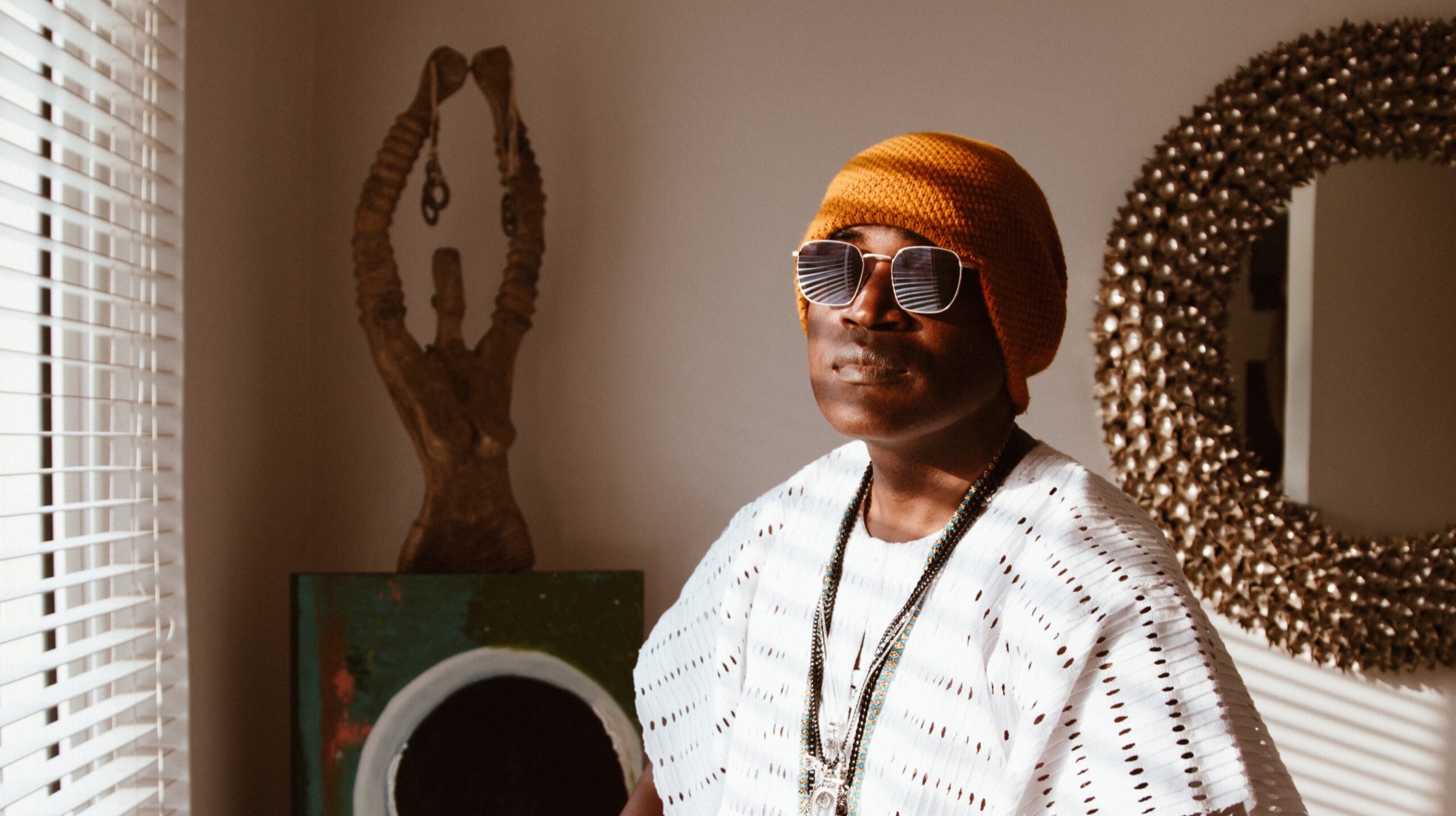
The first thing I noticed about Headies award-winning artist Ibejii was his voice: calm, regal, assured. Like a 60s BBC news presenter.
I’m on a call with him to discuss his new album Lagos Shuffle. Days later, replaying the record, it struck me that his cadence carries an uncanny echo of the Golden Voice of Africa, Nigeria’s first Prime Minister, Sir Abubakar Tafawa Balewa.
For the first time ever, Ibejii opened up to me about growing up as a twin in a Yoruba family. Twins are highly revered in Yoruba culture, so from childhood, he was aware of himself as something more than ordinary. He also spoke about a childhood disability that unlocked the lifelong storytelling instinct that shapes who he is today.
He told me he had never shared any of this publicly, so I felt genuinely honoured.
I spoke to him a day after he’d been out celebrating a friend’s new joint.
“It was a typical fun Lagos night out- suya, drinks, smoke.”
Lagos Shuffle is his ode to the city – a love affair with Lagos neighbourhoods – from Ijaiye amPen Cinema to Adekunle and Makoko.
Lagos Shuffle is modern and familiar, yet it feels like music they would have happily swayed to while drinking palm wine in a dimly lit bar in the 70s.
I live in Lagos and I adore this city, so I was excited to speak with a man who shares my love of this city. Yet, I was somewhat anxious that he wouldn’t open up about anything beyond the album. I had read past interviews while preparing, and found almost nothing about his private life -especially his life as a twin. That silence, he confirmed, is intentional.
“Your real name is Ibejii… What was it like growing up as a twin?”
“To be honest, thats a subject I am typically reluctant to address. I’m not sure in fact that I’ve ever answered any question on the subject before. But I’ll tell you. I grew up as one of a twin. My twin brother died within 59 seconds of our birth.
Growing up in a typical Yoruba family under those circumstances… all you hear are fears. People being careful around so you don’t die too.
So while other kids played football and did the things that young kids do, everything about me was over watched and guarded.”
“For someone raised outside Nigeria, you seem deeply tied to Yoruba culture…”
“Haven’t you heard, my parents are Yoruba! If you’re born to Yoruba parents, you may as well be born in Ajegunle or Ijebu-Ode. They don’t let go of their culture wherever they go. It is front and centre. They speak the language nonstop, eat the food always, wear the culture proudly, mix mostly with their own people, etc.
From the moment you’re born, they greet you in Yoruba, insist on the rituals, and embed you in the culture.
So yes, ties to and familiarity with Yoruba culture is what we do.”
“Let’s talk Lagos Shuffle. Are you familiar with places like Ijaiye and Agege?”
“Oh yes. I know Lagos end-to-end. I’m passionate about the city and have toured it end to end.
As you know, Lagosians are a hugely social people. From Owambes, to church invites, to friendly visits, tou find yourself reaching far and wide.”
“So when did you first come to Lagos?”
He smiles.
“Ibejii didn’t come to Lagos. How could he have. By the nature and circumstances of my birth, I was always here. Ibejii never arrives. He’s always present.”
“Tell me about the spiritual weight of being a twin.”
“Weight is a loaded word. Yet, something as revered in one’s culture of origin as being an ibeji follows you through life -whether you’re conscious of it or not.
For much of my years, I have been ‘othered’ even within my own family. The child who’s different. Something ike being Tokunbo, Abiodun, or Iyabo.”
I tell him I know Tokunbo. Not Abiodun or Iyabo.
“Abiodun means someone born in a festive season. Iyabo essentially means a mother or grandmother returned. For some, it can be heavy to be treated as the embodiment of someone no longer here.
“For an Ibejii, you’re valued not for who you are, but for the circumstance of your birth.
“And then you’re treated like a pseudo-spiritual being. Challenging for any child.
And remember, neither my twin nor I were expected to 20 minutes post birth. So the attention was intense and sometimes insensitive. Even being born in England didn’t change any of that.”
“So what sparked Lagos Shuffle?”
“Lagos birthed the musical character Ibejii. Lagos is where I live and socialise. Lagos is where Ibejii, the artiste, was formed.
Lagos is bursting with communities – all similar, all different – all confident and unapologetic – Makoko, Isale-Eko, Mushin, Agege, GRA, Ikoyi – and so on.
Covid temporarily changed that. It left our city, Lagos, unsure, uncertain, divided. Between the ravages of the disease, the isolation it forced, and the hunger that pervaded Lagos homes, Lagos temporarily lost its grit and rhythm.
I wanted to speak to the city. Start a new conversation. Celebrate its many essencees. Seek ways to help us survive together.
Highlife has always been Lagos’ recovery music. After the civil war, highlife helped Lagos find its groove again.
Lagos Shuffle is about that grit, grind, rhythm, colour, confidence, swagger. I wanted a sound that will lead the city into a new era of success and confidence”
“What makes Lagos Shuffle special?”
“It’s from Ibejii. That’s what makes it special.”
On Afrobeats and being called ‘alté’
“We are a diverse, complex, multi layered people – blessed with texture, form, sound. We owe the world to share our complexity. It is after all what makes Lagos so fascinating. .
Afrobeats is massive – huge – the leading sound from these parts. There is however more to our sound. Much more.
So, while they refer to us as alté ar alternative, we’re not newcomer sounds. We’ve always been here.
Ibejii’s sound comes from the source – storytelling -telling Africans stories like scores have since the beginning of time.
My pride in the success of Afrobeats in full and unchanging. But please spread the word. We are more that. We are juju, fuji, afro fusion, etc etc.”
“What do you hope people take away from your music?”
Music, for me, is a vessel. It carries essence, values, memory, joy, pain – all the things we often don’t have the words for. But a story is only complete when the listener finds themselves within it. So I make music hoping people will see themselves in it: their struggles, their humour, their hopes.
Take Intermission, for example. It was born from the tension and heartbreak of 20 October. I wanted to give young people, and really, everyone, a voice – in a moment of collective brokenness and frustration.
When the world embraced that project, and handed me a Headies gong for Best Alternative Album, I was reminded how critical the musician’s role in storytelling, in capsuling a moment in time, in channeling the joys or frustrations of a people.
With Lagos Shuffle, I want people to feel the pulse of the city. Not postcard Lagos, but the real one: the hips, the swagger, the noise, the grit, the colours, the sudden quiet at 2am and the chaos that returns by 4.
If listeners come away sensing Lagos’ heartbeat, its confidence, its contradictions, its beauty, I would have done my job.
“Your favourite places to hang out in Lagos?”
He laughs and passes the question to Gideon.
“If you see him outside, 90% of the time he was dragged.”
Ibejii agrees.
“My favourite hangouts are the spaces of my favourite people. I’m a homebody.
Otherwise, I love water – beaches.
And I especially love the company of fresh and unusual minds — the eccentric, the mis-characterized, the forgotten.”
On storytelling
“I started writing at four or five. I had a walking delay, so I walked much later than most kids. Yet, this meant that I saw and witnessed much more from down there.
My mind never sleeps. Like Christmas lights, it is a constant spark. Imagining is my thing – enabled by what I see.”
“I will be re-launching my Christmas song Feels Like Christmas. Gorgeous visuals. Nigerian kids dancing ballet.
“Christmas for me is church, Jollof, Coca-Cola, family – and now, Detty December – our very own Christmas festival.
“Final message for your fans?”
“Dosunmu, hold on to your oracle. Your culture, your truth.
With the world shutting their does on us – The US, Europe, South Africa, there can be no better time to rethink and rediscover home.
Lagos is home to people everywhere. Lets build Lagos together.
I finally ask what’s next after Lagos Shuffle.
“It’s the start of a series of psychedelic dance projects — full of energy, movement and… kala.”
I misheard “colour” as “kala” thanks to ODUMODUBLVCK and my Nigerian accent and wondered what kala had to do with his sound. He laughed and admitted the mishearing wasn’t far off; after all, kala can mean attitude.
So we agreed: “Kala” stays.
Ibejii’s new album Lagos Shuffle is out now on your favourite streaming service.
Follow Ibejii on Instagram, Facebook and X @Ibejiimusic.
Ghanaian Afrobeats artist, LUCKY SIKI, makes his industry debut with the party anthem “Derty December”
It’s a high-voltage song that perfectly captures the sight and sound of Nigeria’s festive season, with its colors, unfiltered and raw energy and camaraderie.
Driven by an Afrocentric trap beat with ambitious storytelling of the diaspora lifestyle, the record captures it all; the movement of shakers from party to afterparty, in convoys and police escorts, the meeting of old friends and introduction to new ones from around the world, all gathering to celebrate the season in Lagos, Nigeria.
From “March that machine” to “na convoy convoy,” “Derty December” captures the reckless joy and coded status play that defines December in Naija.
“This is Lagos’ most notorious month bottled in a beat: the chaos, the champagne, the convoys, the comeback energy of the diaspora,”says Lucky Siki.
He added: “December in Nigeria is “pure madness”, it is electric, rowdy and dangerous but the raw joy you experience is what pulls you back every year and that’s what I wanted to capture with this track.”
Derty December plays into this rowdiness, it’s a chant-driven street anthem built for the clubs, for the cruise, and for every night the city refuses to sleep.